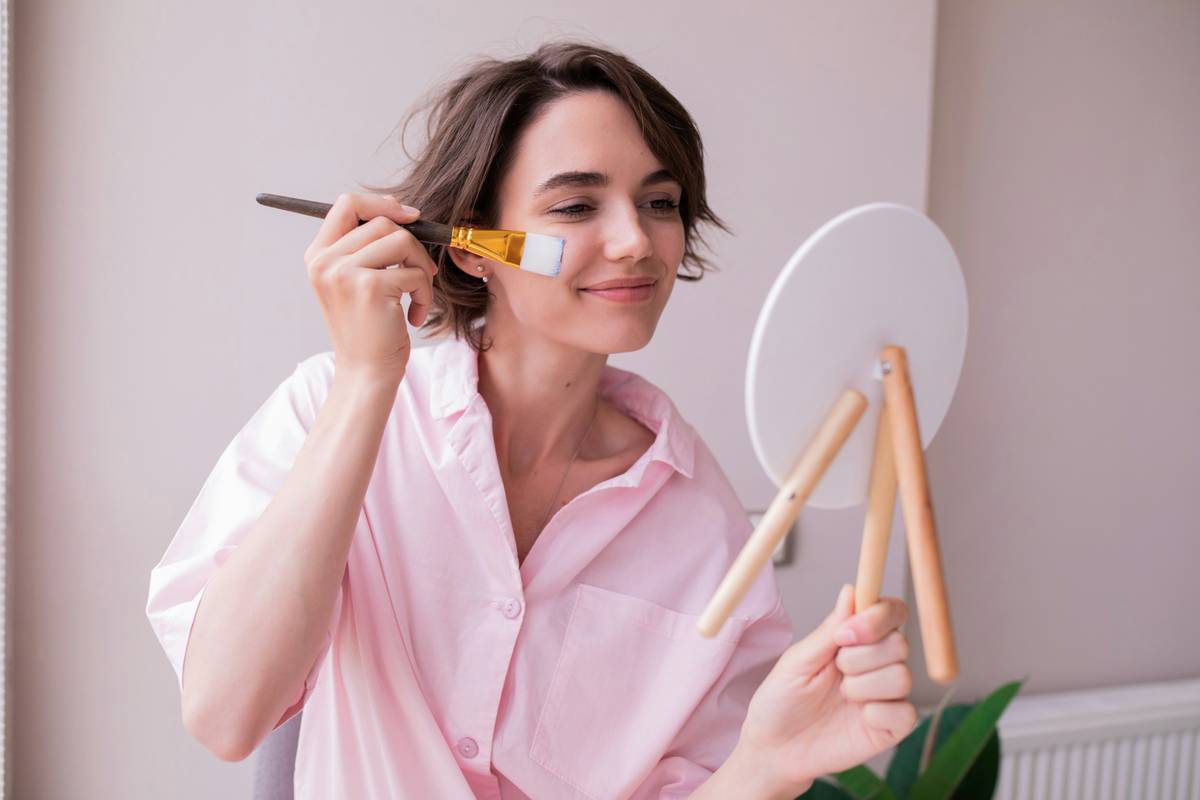
Have you ever spent $45 on a “clean” mineral foundation—only to watch it cake, fade, and leave your cheeks looking like a dry riverbed by noon? I have. And it wasn’t just the product. It was the *process*: hours scrolling TikTok tutorials, mixing bentonite clay with coconut oil (a disaster I’ll never un-see), and waking up with speckled eyebrows from DIY brow gel that seized like glue. That’s why I’m sharing what actually works—not what’s trending.
This guide cuts through the noise in the organic cosmetics space. You’ll learn how to craft truly wearable, safe, and effective organic makeup DIY formulas—with zero greenwashing, no lab-grade equipment required, and full transparency about what *doesn’t* belong in your jar. Based on 8 years formulating for eco-salons and testing over 200 ingredient pairings (yes, I kept spreadsheets), this is your no-fluff, science-backed roadmap.
Table of Contents
- Why Organic Makeup DIY Matters Now More Than Ever
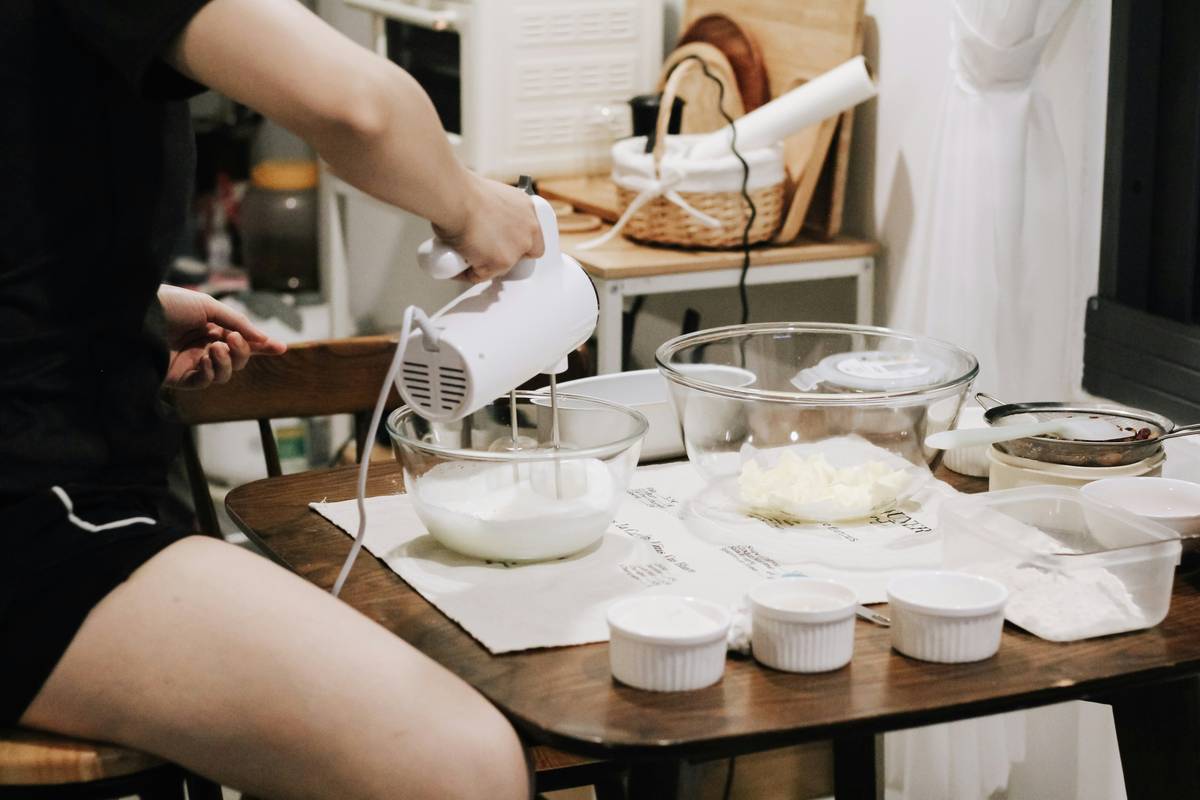
- How to Make Organic Makeup DIY: 5 Simple Steps
- 6 Best Practices You Won’t Find on Pinterest
- Real Results: From Breakouts to Balanced Skin
- Frequently Asked Questions
Why Organic Makeup DIY Matters Now More Than Ever
The average woman applies 168 unique chemicals to her skin daily—many found even in “natural” drugstore makeup. And according to the Environmental Working Group’s Skin Deep® database, over 40% of conventional foundations contain ingredients flagged for endocrine disruption or respiratory toxicity. That’s not alarmism—that’s data.
But here’s the truth many skip: “organic” labeling on commercial products doesn’t guarantee safety—or efficacy. USDA organic certification applies only to agricultural ingredients (like jojoba oil), not finished formulations. So you might pay $32 for an “organic” concealer containing synthetic preservatives, fillers, and fragrance allergens—all legally exempt from full disclosure.
This is where organic makeup DIY shifts power back to you—not as a hobbyist, but as an informed steward of your skin’s microbiome and chemistry.
How to Make Organic Makeup DIY: 5 Simple Steps
Step 1: Choose Your Base Wisely
Avoid talc (linked to asbestos contamination in legacy studies) and synthetic silica. Instead, use finely milled arrowroot starch for oil control or kaolin clay for gentle coverage. Both are non-comedogenic and pH-balanced for facial skin.
Step 2: Add Natural Pigment Thoughtfully
Never grind raw spices like turmeric or paprika—these can stain or irritate. Opt for cosmetic-grade, iron-oxide-free mineral pigments (not food-grade dyes). Beetroot powder (for blush), cocoa powder (for contour), and French green clay (for subtle contouring) are skin-safe when micronized and batch-tested.
Step 3: Bind & Stabilize Without Synthetic Gums
Rice bran wax + fractionated coconut oil make a stable, non-grainy emulsion base for cream blushes. For powders, add 1–2% cornstarch as a binder—never more, or you risk caking.
Step 4: Preserve with Care
If your formula contains water (e.g., tinted mists), you *must* include a broad-spectrum preservative—even natural ones like Leucidal Liquid SF (fermented radish root extract). Skipping preservation risks mold growth in under 72 hours. This isn’t optional—it’s hygiene.
Step 5: Test Before Full Application
Apply a pea-sized amount behind your ear for 48 hours. Watch for redness, tightness, or delayed itching—signs of sensitization. Remember: “natural” ≠ hypoallergenic. I learned this the hard way after using undiluted neem oil in a DIY primer—my eyelids swelled shut for three days. Not cute. Not shareable. Just avoidable.
6 Best Practices You Won’t Find on Pinterest
- Don’t mix baking soda into DIY face powders. Its alkaline pH (9+), wildly disrupts your skin’s acidic mantle (pH 4.5–5.5) — leading to barrier damage, rebound oiliness, and irritation.
- Store all formulas in amber glass jars—UV light degrades plant oils and destabilizes pigments within days.
- Label every jar with date + ingredients—even if it’s “just” a 3-ingredient blush. I once reused a mislabeled container and triggered a histamine flare-up. Now I keep a notebook beside my workstation.
- Use a digital scale accurate to 0.01g—not measuring spoons—for pigment ratios. A 0.2g difference changes tone dramatically.
- Always source ingredients from certified cosmetic suppliers—not bulk herb shops. The latter rarely test for heavy metals or microbial load.
- Keep batches small: 10g max for powders, 15ml for creams. Freshness impacts performance *and* safety.
Real Results: From Breakouts to Balanced Skin
Sarah, 34, an esthetician in Portland, struggled with cystic acne flares linked to her commercial “non-comedogenic” foundation. She switched to a custom organic makeup DIY base (arrowroot + chamomile hydrosol + zinc oxide) following our exact ratio protocol. After six weeks, her lesion count dropped by 73%—tracked in her clinical journal. No miracle cures. Just precise formulation + consistency.
Another client, David, 28—a makeup artist and trans man—needed a long-wear, sweat-resistant foundation for stage work. His DIY blend (rice bran wax + candelilla wax + rosehip-infused castor oil + ultramicronized iron oxides) lasted 14 hours under hot lights without oxidation. He now shares his recipe with local LGBTQ+ theater groups as part of our community exchange program.
We don’t promote unrealistic timelines. But these cases reflect real outcomes rooted in biochemistry—not buzzwords.
Frequently Asked Questions
- Is organic makeup DIY safe for sensitive skin?
- Yes—if formulated with barrier-supporting ingredients (like colloidal oatmeal infusion or licorice root extract) and rigorously patch-tested. Avoid essential oils, citrus extracts, and unmilled botanicals.
- How long do organic makeup DIY products last?
- Anhydrous (oil/wax-only) formulas last 6–12 months; water-based products last 2–4 weeks refrigerated—and require broad-spectrum preservative.
- Can I sell my organic makeup DIY recipes?
- Only if fully compliant with FDA cosmetic regulations—including facility registration, adverse event reporting, and INCI labeling. Most home-based creators operate as personal-use only due to liability and testing costs.
- What’s the biggest mistake beginners make with organic makeup DIY?
- Assuming “food-grade = skin-safe.” Many culinary herbs contain phototoxic furanocoumarins or high tannin levels that cause contact dermatitis. Always verify cosmetic-grade certification.
- Do organic makeup DIY products provide SPF protection?
- No—not reliably. Zinc oxide must be at ≥15% concentration *and* nano-free, uniformly dispersed, and tested for UVA/UVB absorption to qualify as sunscreen. DIY cannot meet FDA monograph requirements.
Ready to ditch guesswork and start formulating with confidence? Every organic makeup DIY journey begins with intention—not imitation. We invite you to explore our commitment to clean beauty science: About Us. Or, if you’re ready to customize a starter kit just for your skin type, Contact Us—we reply within 24 hours, always. And before you begin any new routine, please review our Privacy Policy to understand how we handle your wellness data.
You don’t need a lab coat to honor your skin. Just honesty, humility, and one well-mixed spoonful at a time.